Green colour psychology in interior design focuses on how different shades of green influence mood, emotions, and the overall feeling of a space. Because green is strongly associated with nature, balance, growth, and wellbeing, it is widely used in residential and commercial interiors. From light sage to dark forest green, every shade creates a different psychological effect that can transform the atmosphere of a room.
What Does Green Mean in Interior Design?
Green is one of the most meaningful colours in interior design because it represents nature, balance, renewal, and wellbeing. The green interior design meaning goes beyond aesthetics, as it creates spaces that feel peaceful, welcoming, and connected to the natural world. Whether used as a dominant colour or a subtle accent, green helps establish harmony while making interiors feel fresh and timeless. Designers often choose green to soften modern spaces, create visual comfort, and introduce a calming atmosphere that suits both residential and commercial interiors.
Green Colour Psychology in Interior Design
Green colour psychology in interior design explains how different shades of green influence emotions, behaviour, and the overall experience of a space. Since green is closely associated with nature, it encourages relaxation, emotional balance, and mental clarity. Unlike bold colours that can overstimulate the senses, green creates a comfortable environment where people feel more at ease.
From living rooms and bedrooms to offices and healthcare facilities, green is often selected to support wellbeing while adding visual warmth. Depending on the shade, green can create interiors that feel elegant, refreshing, luxurious, or organic, making it one of the most versatile colours in modern design.
Expert Insight from Vera Interior
At Vera Interior, colour selection is considered an essential part of every interior design project rather than a finishing touch. The design team carefully studies each space, its function, natural lighting, and the client’s lifestyle before choosing the most suitable green palette. Whether designing luxury residences, medical centres, or commercial environments, Vera Interior uses colour psychology principles to create interiors that are visually appealing, functional, and comfortable for everyday use.
How Green Affects Mood and Emotions
The psychological impact of green makes it one of the most effective colours for creating comfortable interiors. Studies in green colour psychology suggest that green can help reduce stress, improve concentration, and promote a greater sense of relaxation. Because it reminds people of landscapes, plants, and open spaces, green naturally creates feelings of calm and emotional stability.
Different environments benefit from green in different ways:
- Living rooms become warmer and more inviting.
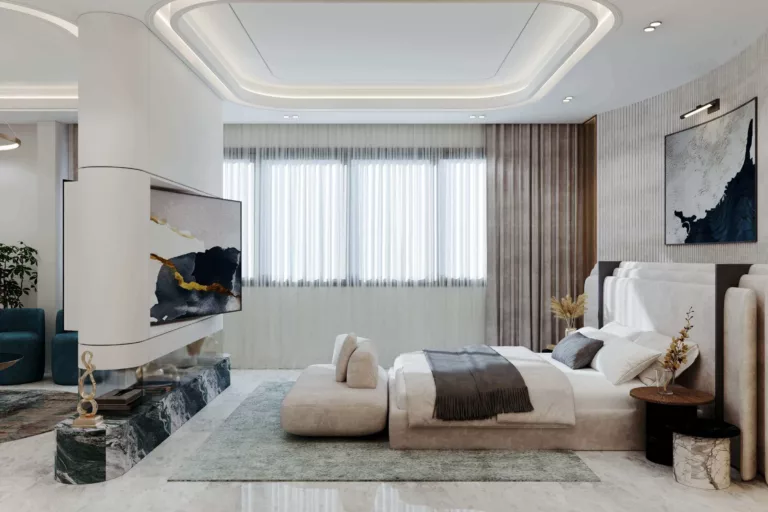
- Bedrooms feel calmer and more restful.
- Home offices can encourage focus and productivity.
- Healthcare and wellness spaces often use green to create a reassuring atmosphere.
- Hospitality interiors benefit from green by making guests feel relaxed and comfortable.
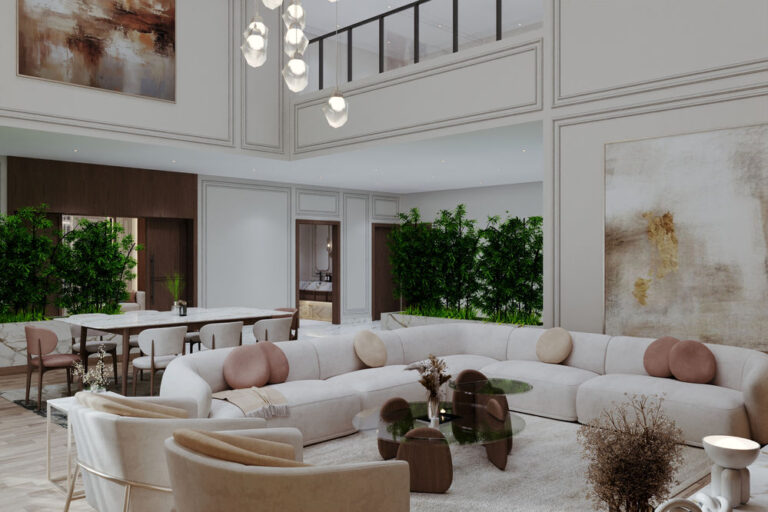
When combined with natural materials such as wood, stone, and indoor plants, green enhances the principles of biophilic design, creating interiors that feel healthier and more connected to nature.
Dark Green Colour Psychology
Dark green colour psychology is associated with sophistication, confidence, stability, and luxury. Rich shades such as forest green, emerald green, and deep olive create a sense of depth while adding elegance to interior spaces. These darker tones are often chosen for statement walls, custom cabinetry, luxury furniture, and executive offices because they convey refinement without feeling overwhelming.
Dark green works particularly well when paired with neutral colours, natural wood finishes, brass accents, or marble surfaces. This combination creates a timeless and premium aesthetic suitable for both classic and contemporary interiors.
While lighter greens evoke freshness and openness, dark green introduces character, warmth, and visual richness, making it an excellent choice for spaces where comfort and sophistication are equally important.
Psychological impact of green color in interior spaces
The psychological impact of green color in interior spaces is calming and refreshing. It promotes a sense of balance and harmony, creating a peaceful and tranquil atmosphere. The color green also has a soothing effect on the mind, reducing stress and anxiety. Additionally, green is associated with growth and renewal, which can inspire feelings of rejuvenation and positivity.
Read More: 10 Comfortable Chairs Perfect for Small Spaces
Benefits of incorporating green color in home décor
Incorporating green color in home decor has several benefits. It promotes a sense of calm and relaxation, reducing stress and anxiety. Green also symbolizes growth and rejuvenation, creating a vibrant and refreshing atmosphere. Additionally, green can enhance the overall visual appeal of a space, adding a natural and soothing element to the interior design.
Shades of Green for Interior Design
Different shades of green can have varying effects on the ambiance of an interior space. Lighter shades like mint green can create a bright and airy feel, while darker shades like forest green can add depth and richness to a room. It is important to choose the right shade of green that aligns with the overall design aesthetic.
Different shades of green and their effects on interior ambiance
Green is a versatile color with various shades that can evoke different emotions in interior spaces. Lighter shades, like mint green, create a fresh and peaceful atmosphere. Darker shades, such as forest green, add depth and richness to a room. Each shade of green has its unique impact on the ambiance of a space.
Read more: The Best Decoration Company in Riyadh
Choosing the right green tone for your design aesthetic
When choosing the right green tone for your design aesthetic, consider the overall mood you want to create. Lighter shades like seafoam green can bring a sense of calmness, while brighter shades like lime green add a vibrant and energetic feel.
Green Color Furniture and Décor
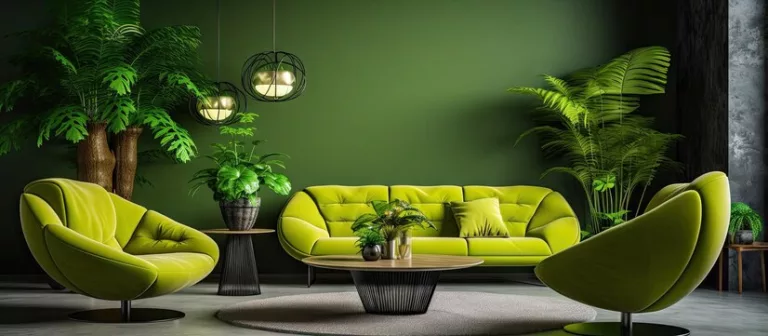
Incorporating green color furniture and decor into your interior design can add a fresh and rejuvenating touch. Green sofas, chairs, or accent pieces can bring a pop of color and create an inviting atmosphere. Green decor accents such as throw pillows, curtains, or rugs can also enhance the overall aesthetics of your living space. Consider mixing different shades of green or combining green with complementary colors to achieve a harmonious and visually appealing look.
Read More: 5 Veterinary Clinic Interior Design Ideas
Incorporating green color furniture into your interior design
When incorporating green color furniture into your interior design, choose pieces that complement your existing color palette. Consider a green sofa or accent chair to add a pop of color and create visual interest in your space. Mix different textures and patterns to add depth and personality to your design.
Using green décor accents to enhance your living space
Green decor accents can be used to enhance the living space by adding a pop of color and bringing a sense of nature indoors. Incorporating green pillows, curtains, rugs, or plants can create a fresh and vibrant atmosphere in any room. These accents can also be easily changed or swapped out to update the look of the space as needed.
Read More: Top Law Firm Interior Design Trends
Green Color Wall Paint and Wallpaper
Applying green color wall paint can create a statement wall and bring a fresh feel to the room. Green wallpapers can also provide a vibrant look and add depth to the space. Choose shades of green that complement your design aesthetic.
Applying green color wall paint to create a statement wall
Green color wall paint can instantly create a statement wall in any room. It adds a pop of color and draws attention, giving the space a unique and vibrant look.
Choosing green color wallpapers for a vibrant look
When choosing green color wallpapers for a vibrant look, consider the shade of green that complements the overall theme and style of the room. Opt for bold patterns or botanical prints to add depth and visual interest. Stick to lighter shades of green for smaller spaces to create a sense of openness and freshness.
Green Color in Different Rooms
Using green color in different rooms can create unique atmospheres. In living rooms, green can bring a calming and refreshing vibe. In bedrooms, it can promote relaxation and sleep. In kitchens, it can add a fresh and vibrant touch.
Using green color in living rooms, bedrooms, and kitchens
Green color can be used effectively in living rooms, bedrooms, and kitchens to create unique atmospheres. In living rooms, green brings a calming and refreshing vibe. In bedrooms, it promotes relaxation and sleep. In kitchens, it adds a fresh and vibrant touch.
Read More: 5 Innovative Hospital Interior Design Ideas
Incorporating green color for a calming and refreshing bathroom
Green color can be effectively incorporated into a bathroom to create a calming and refreshing atmosphere. The soothing nature of green promotes relaxation, making it an ideal choice for a bathroom decor. Adding green elements such as towels, shower curtains, or plants can instantly transform the space into a tranquil oasis. Whether it’s a light mint green or a deeper shade like emerald green, the color will create a serene ambiance that rejuvenates both the body and mind.
Conclusion
In conclusion, incorporating green color into interior design can have numerous benefits. It promotes a calming and refreshing ambiance, enhances relaxation, and adds a touch of nature to the space. Whether through furniture, decor accents, or wall paint, green color can transform any room into a tranquil oasis. So, embrace the soothing power of green and create a rejuvenating environment in your home.
FAQ
What does green mean in interior design?
Green represents nature, balance, harmony, and renewal in interior design. It is often used to create calm, welcoming spaces that promote relaxation while adding a fresh and timeless appearance. The green interior design meaning also reflects growth, wellbeing, and a stronger connection to nature.
How does green colour psychology affect interior design?
Green colour psychology in interior design focuses on how green influences mood and emotions. Green is known for reducing stress, improving mental clarity, and creating a peaceful atmosphere, making it a popular choice for homes, offices, healthcare facilities, and hospitality spaces.
What is the psychology of dark green?
Dark green colour psychology is associated with sophistication, stability, luxury, and confidence. Shades such as forest green and emerald green create depth and elegance, making them ideal for statement walls, living rooms, executive offices, and premium commercial interiors.
Which shade of green is the most calming?
Soft shades such as sage green, mint green, and olive green are considered the most calming. These colours create a relaxing environment, making them ideal for bedrooms, bathrooms, wellness spaces, and areas designed for rest and comfort.
Is green a good colour for modern interior design?
Yes. Green is one of the most versatile colours in modern interior design. It pairs beautifully with neutral tones, wood finishes, marble, black accents, and metallic details to create interiors that feel contemporary, balanced, and inviting.
What colours go well with green in interior design?
Green works well with white, beige, cream, grey, natural wood, black, brass, and gold accents. These combinations create balanced colour palettes that suit both contemporary and traditional interiors.
Where should green be used in a home?
Green can be used throughout the home, including living rooms, bedrooms, kitchens, bathrooms, and home offices. The ideal shade depends on the room’s purpose, natural lighting, and the atmosphere you want to create.
Why do interior designers use green?
Interior designers use green because it combines visual appeal with psychological benefits. Green creates a sense of comfort, supports emotional wellbeing, and complements a wide variety of materials and design styles, making it suitable for both residential and commercial projects.