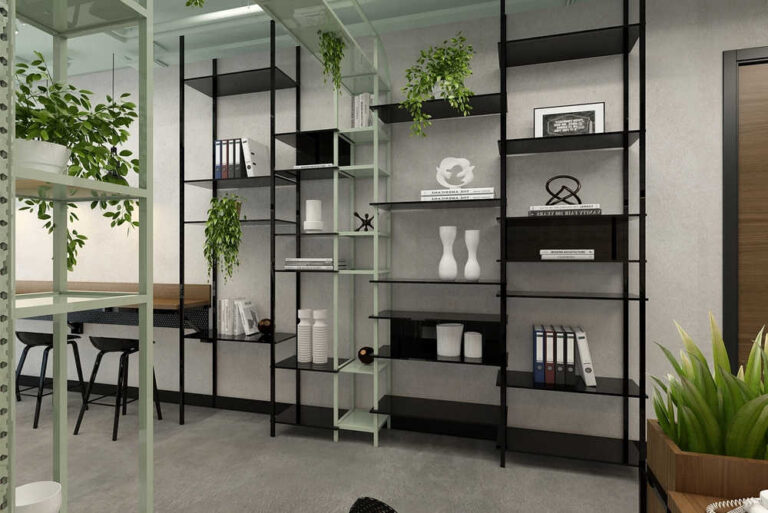
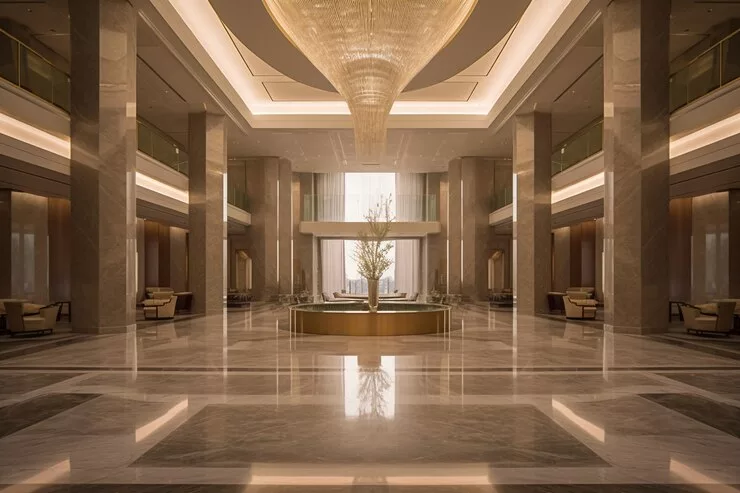
Hotel interior design combines aesthetics, functionality, and brand identity to create comfortable and memorable spaces for guests. It covers every part of a hotel, from the lobby and reception to guest rooms, restaurants, bathrooms, and shared areas. A successful hotel interior design concept balances visual appeal with practical requirements such as guest flow, durability, lighting, and operational efficiency.
What Is Hotel Interior Design?
Hotel interior design is the process of planning and designing the interior spaces of a hotel to create a comfortable, functional, and memorable experience for guests. It covers more than choosing furniture and decorative elements; it includes space planning, lighting, colours, materials, furniture, finishes, and the overall visual identity of the property.
A successful hotel interior design concept considers every guest touchpoint, from the reception and lobby to guest rooms, restaurants, bathrooms, corridors, and shared spaces. The design should reflect the hotel’s brand and target guests while also supporting practical requirements such as movement, durability, maintenance, comfort, and efficient hotel operations.
Whether the concept focuses on modern simplicity, classic elegance, contemporary luxury, or a strong local identity, every design element should work together to create a consistent experience. The goal is to make the hotel visually distinctive while ensuring that each space remains practical and comfortable for everyday use.
Top 10 Luxury Hotel Interior Design Ideas
1. Calm Luxury: Blending Elegance and Comfort
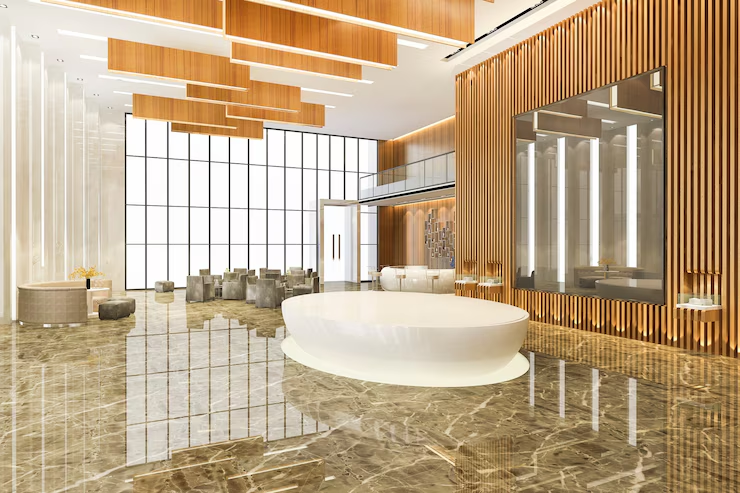
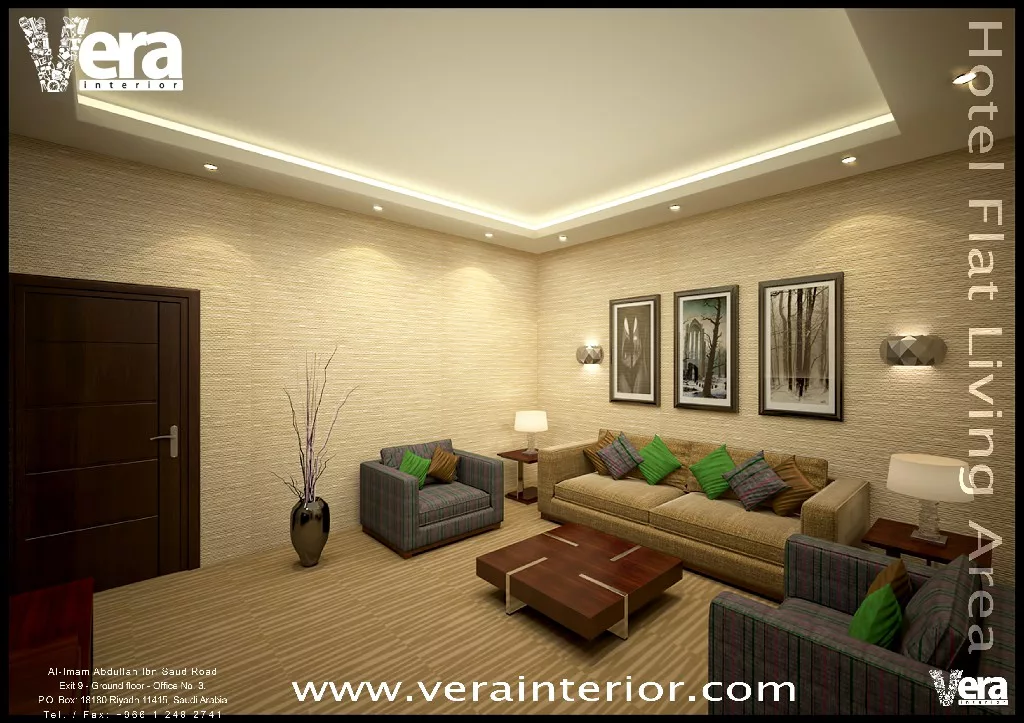
When guests walk into a luxury hotel interior design, they immediately feel the quiet sophistication. Use a neutral color palette like beige, soft grey, and earthy tones, with gold or copper accents. Soft furnishings, wood or marble floors, and warm lighting help create a cozy visual experience. Focus on clean lines and visual focal points like artistic wall pieces or elegant room dividers.
Read More: Top Law Firm Interior Design Trends
2. Dramatic Lobby Designs
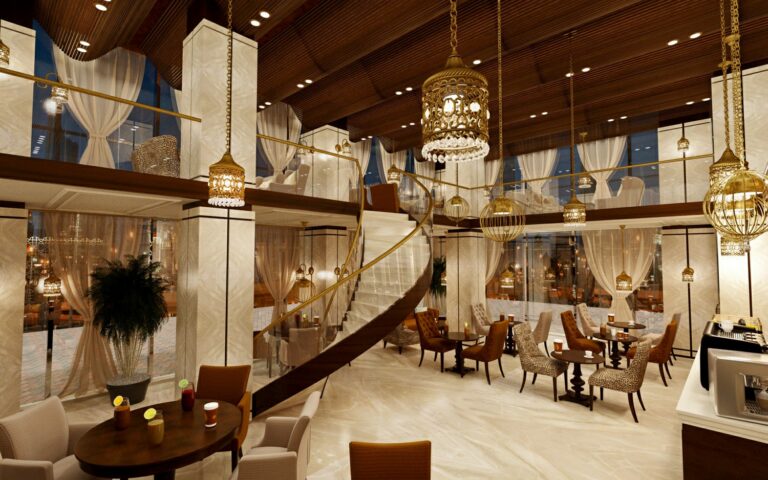
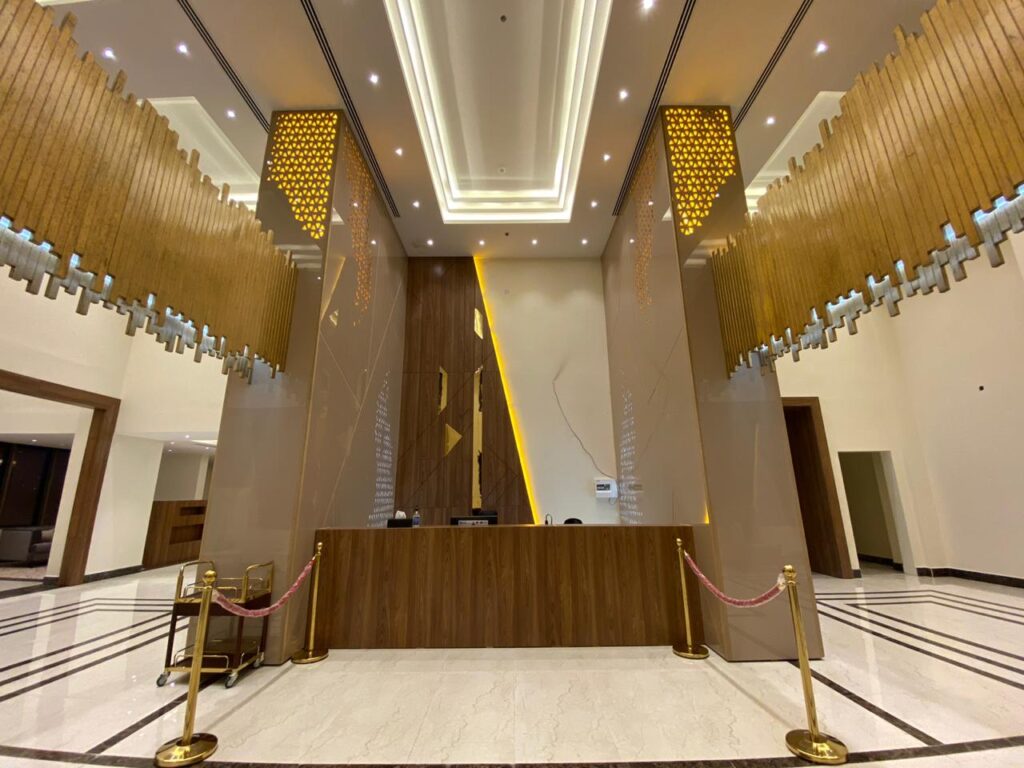
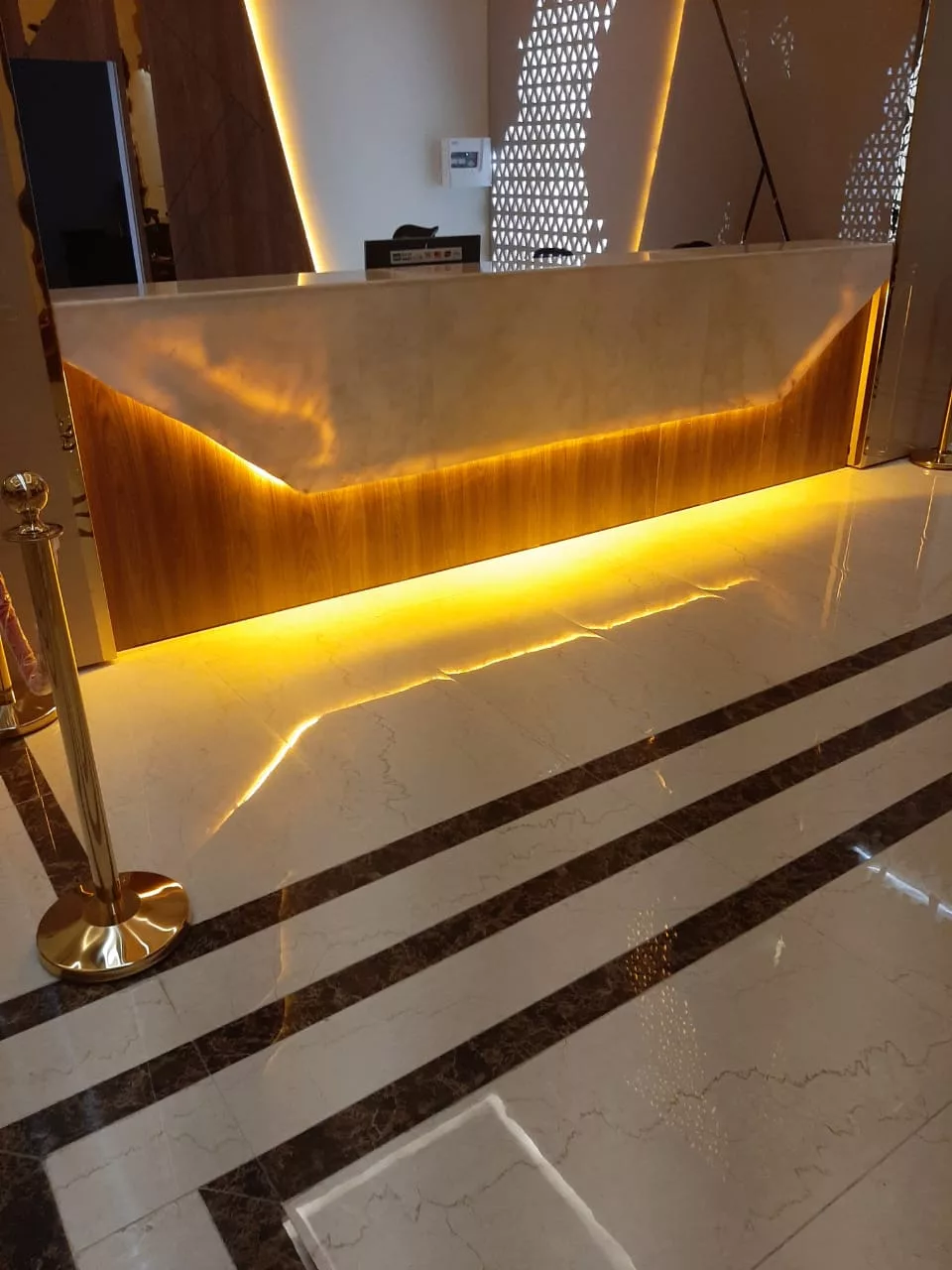
The hotel lobby is your chance to impress, whether your theme is modern, classic, or bohemian, let your lobby express your brand identity. Use statement chandeliers, unique sculptures, or even a living green wall. Smart lighting and signature scents will enhance the ambiance, while comfortable seating areas invite guests to relax or meet.
3. Integrating Local Art and Culture
To give your guests an authentic experience, add local culture to your hotel interior design ideas. Display artwork from local artists, use fabrics inspired by traditional designs, or feature handcrafted décor with a modern twist. These thoughtful details make your hotel feel unique and connected to its location.
4. Guest Rooms That Feel Like Luxury Homes
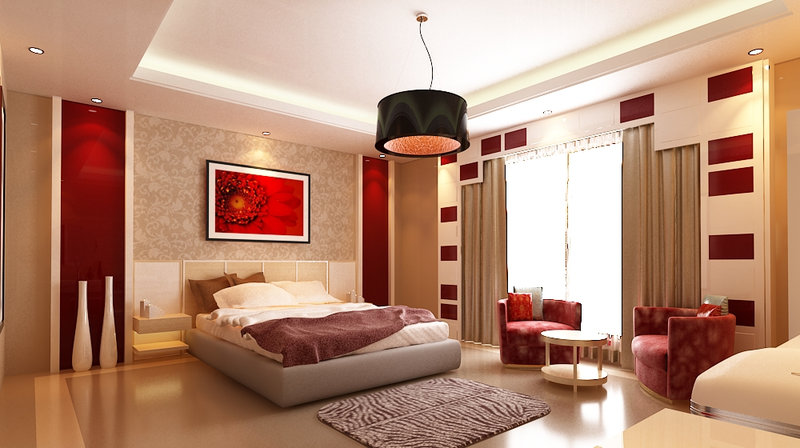
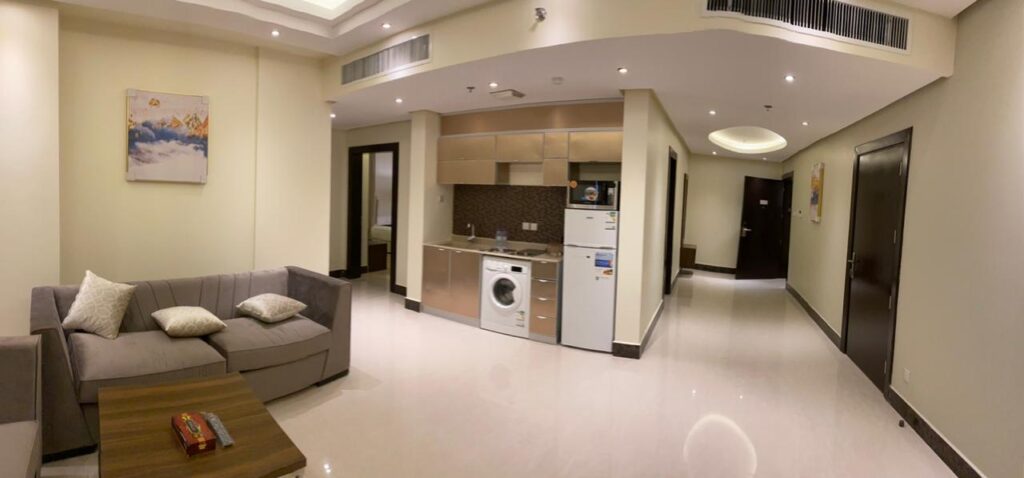
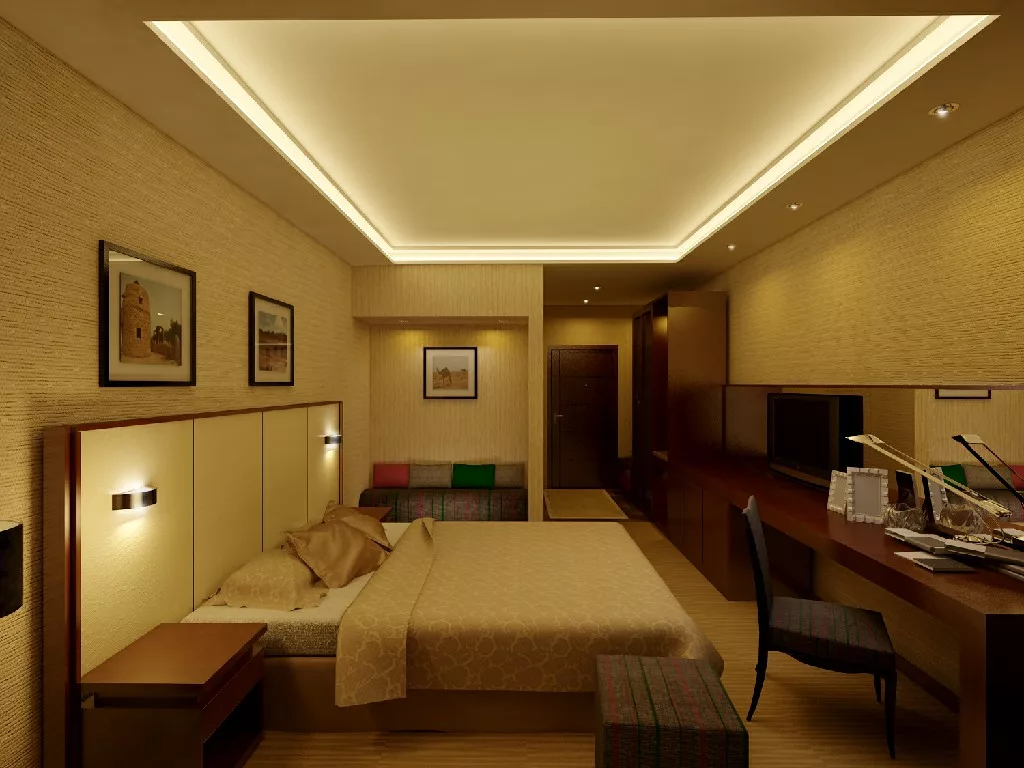
Modern hotel guests expect comfort that feels like home—but elevated. Design your guest rooms with multifunctional furniture, a dedicated workspace, smart lighting, and luxurious bedding. Personal touches like books, plants, or signature scents help create a memorable stay. Don’t forget to include modern hotel design ideas like smart temperature control and hidden lighting.
Read More: 10 Dental Clinic Interior Design Ideas
5. Make the Most of Natural Light
Natural light is essential in hotel interior. Install large windows and use sheer curtains to allow sunlight without sacrificing privacy. In rooms with limited light, simulate daylight using smart lighting systems. A view of the city or nature can also make a big impact on the guest experience.
6. Sustainable Luxury
Sustainability is becoming a top trend in hotel interior design trends. Use eco-friendly materials, recycled furniture, and organic fabrics. LED lighting and water-saving systems reduce energy use without compromising comfort. Today’s guests value environmental responsibility, and it can enhance your brand image.
7. Spa-Like Bathroom Design
Design bathrooms to feel like a private spa. Use marble or premium tiles, soft lighting, illuminated mirrors, and rainfall showers. Add high-quality toiletries and aromatic elements to make the bathroom a place of relaxation, not just routine.
Read More: Top Law Firm Interior Design Trends
8. Stylish and Social Common Areas
Create inviting spaces like reading lounges or social zones where guests can connect. Choose cozy furniture, soft neutral tones, and add a splash of color through art or accessories. Elegant coffee tables, bookshelves, and thoughtful décor make the space both functional and stylish.
9. Smart Technology for Better Comfort
Smart technology is a must in modern hotel interiors. Install digital room keys, touch panels for lighting and curtains, and in-room tablets for guest services. The more seamless the experience, the happier your guests will be. Offer online booking tools and in-app room service for extra convenience.
10. A Unified Visual Identity
Consistency is key to strong interior design hotel branding. Use the same fonts, materials, and color schemes throughout the property. Even details like signage and scent branding can help create a lasting impression. This unified approach builds recognition and encourages guests to return.
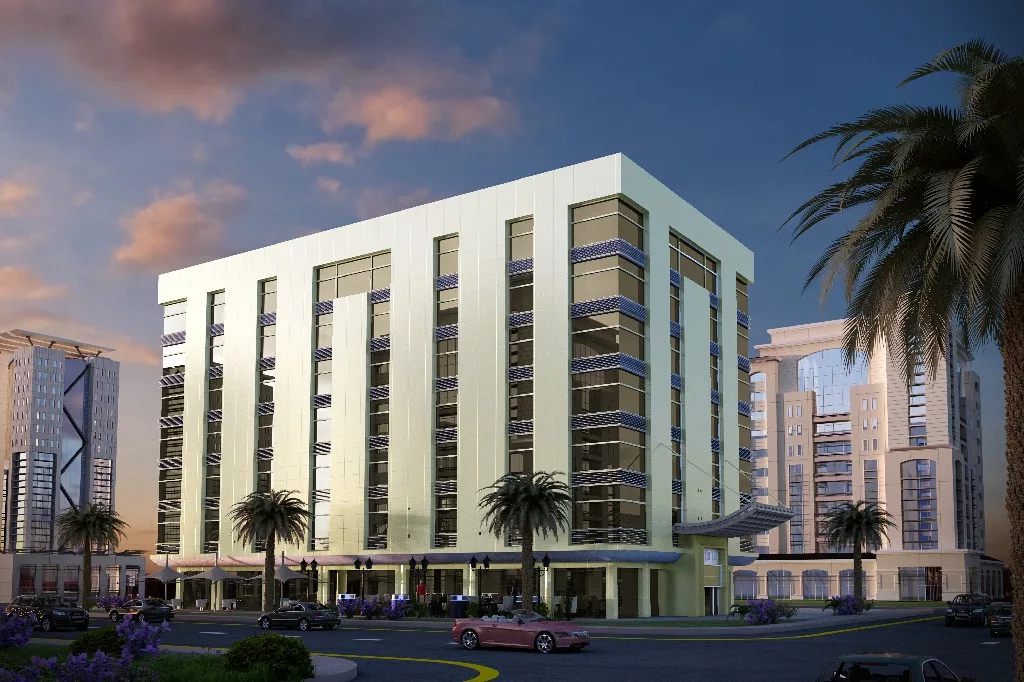
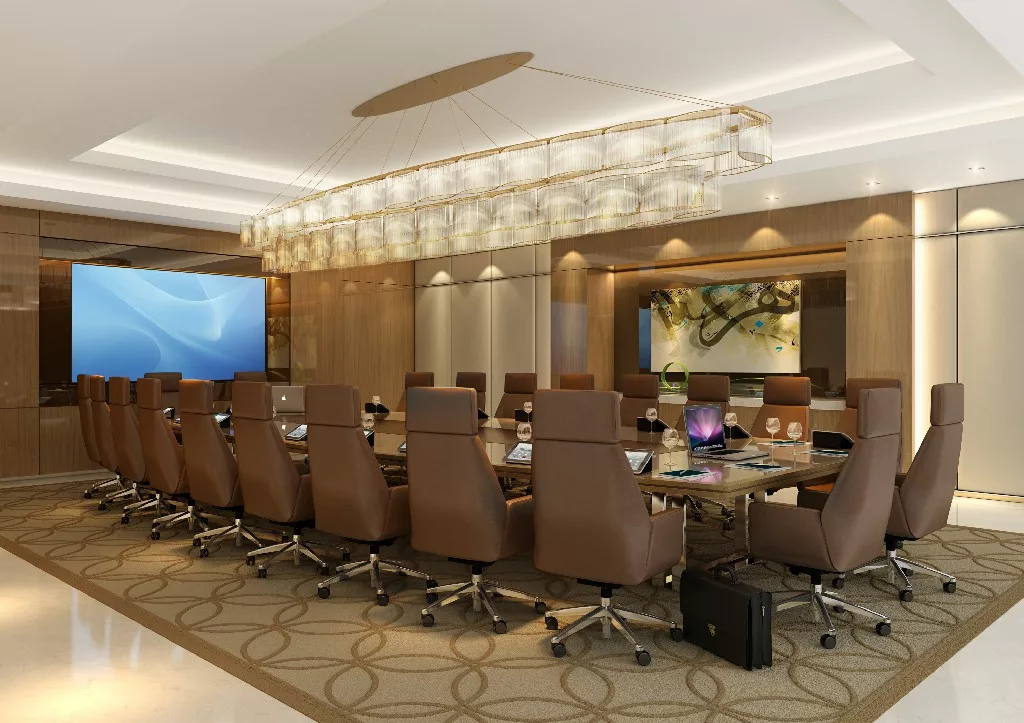
See our Hotel projects : luxury hotel interior design By Vera
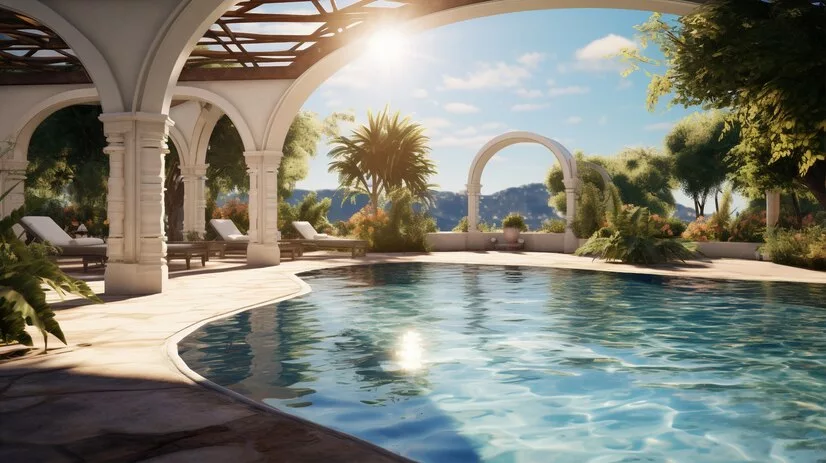

Read More: 5 Innovative Hospital Interior Design Ideas
Key Elements of Hotel Interior Design
Effective hotel interior design brings several elements together to create a cohesive environment. Each component contributes to the appearance, functionality, and overall guest experience.
Space Planning and Functionality
The layout should make it easy for guests to move between different areas while providing hotel staff with efficient working and service routes. Reception areas, guest rooms, restaurants, corridors, and common spaces should be planned according to their specific functions.
Colour and Material Selection
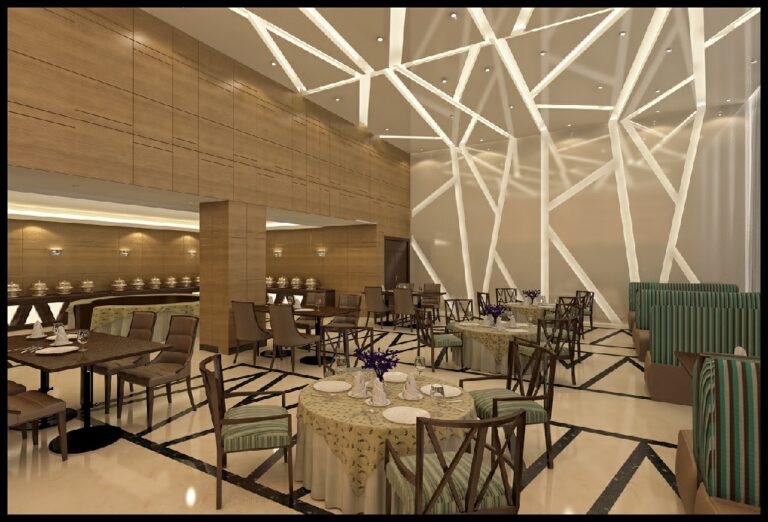
Colours and materials establish the atmosphere of the hotel. Neutral palettes can create a calm and sophisticated setting, while richer colours and distinctive finishes can strengthen the property’s character. Materials should also be selected based on durability, maintenance requirements, safety, and the level of use each space receives.
Lighting Design
Lighting plays an important role in creating the right atmosphere throughout the hotel. Ambient, task, and accent lighting can be combined to highlight architectural features, improve functionality, and create different moods in areas such as lobbies, restaurants, guest rooms, and bathrooms.
Furniture and Fixtures
Hotel furniture needs to combine aesthetics with comfort and practicality. Seating, beds, desks, tables, and storage solutions should suit the size and purpose of each space while contributing to the overall design concept.
Brand Identity
The interior should communicate the hotel’s identity through its colours, materials, furniture, artwork, signage, and architectural details. A consistent design language helps create a recognizable experience across different areas of the property.
Guest Comfort
Comfort should remain central to every design decision. Ergonomic furniture, acoustic considerations, appropriate lighting, quality finishes, convenient room layouts, and well-planned amenities can all contribute to a more comfortable guest experience.
Hotel Interior Design Trends for 2027
Hotel interior design trends in 2026 continue to focus on creating spaces that combine comfort, technology, sustainability, and a strong sense of identity. Rather than following a single visual style, many hotel concepts are using design to create more personalized and functional guest experiences.
Biophilic Hotel Interior Design
Natural materials, indoor plants, natural textures, and connections to outdoor spaces can help create a more welcoming environment. Biophilic elements can be introduced in lobbies, guest rooms, restaurants, and wellness areas.
Sustainable Materials and Responsible Design
Sustainability is increasingly reflected in material selection, lighting, furniture, and building systems. Designers can consider durable materials, recycled or responsibly sourced products, energy-efficient lighting, and solutions that reduce unnecessary waste.
Smart Hotel Technology
Technology is becoming increasingly integrated into hotel interiors. Smart room controls, digital access systems, automated lighting, temperature controls, and integrated guest-service technology can improve convenience while keeping the interior visually clean.
Local Culture and Authenticity
Hotels are increasingly using local materials, artwork, craftsmanship, and cultural references to create spaces connected to their destination. When carefully integrated into a contemporary concept, these details can give the hotel a distinctive identity without compromising modern functionality.
Flexible and Multifunctional Spaces
Hotel spaces are becoming more adaptable. Lobbies, lounges, restaurants, and meeting areas can be designed to support different activities throughout the day, allowing the same space to function for working, dining, socializing, or relaxing.
Wellness-Focused Interiors
Wellness is influencing hotel interiors through calming colour palettes, natural materials, comfortable lighting, spa-inspired bathrooms, fitness areas, and dedicated spaces for relaxation. These elements can help create a more comfortable and restorative guest environment.
How to Choose a Hotel Interior Design Company
Choosing a hotel interior design company requires more than reviewing attractive project images. The right company should understand both the creative and practical requirements of hospitality spaces and be able to develop a design that supports the hotel’s identity, operations, and guest experience.
Review Hospitality Experience
Look for a company with relevant experience in hotel and hospitality projects. Reviewing its portfolio can help you understand its approach to guest rooms, lobbies, restaurants, public areas, and other hotel spaces.
Evaluate the Design Approach
A professional hotel interior design company should be able to develop a clear concept based on the hotel’s location, target guests, brand identity, and functional requirements. Ask how the company approaches space planning, materials, lighting, furniture, and overall design development.
Consider Functionality and Operations
Hotel interiors need to work for both guests and staff. The design company should understand circulation, service areas, durability, maintenance, accessibility, and the practical requirements of daily hotel operations.
Review Materials and Finishes
Material selection has a direct impact on appearance, durability, maintenance, and long-term performance. Ask how the company selects finishes and furniture for high-traffic hospitality environments.
Examine Previous Projects
A portfolio can provide useful insight into the company’s experience, design style, attention to detail, and ability to work across different hotel concepts and scales.
Look at the Full Scope of Services
Depending on the project, hotel interior design may involve concept development, space planning, interior design, furniture selection, lighting, materials, custom elements, and coordination with other project teams. Understanding the company’s scope of work can help ensure that its services match your project requirements.
Consider Vera Interior
Vera Interior approaches hotel interior design by combining aesthetics, functionality, and a clear design identity. Its hospitality work covers different hotel spaces, with attention to materials, colour palettes, furniture, lighting, and the relationship between individual areas. This approach helps create cohesive interiors that are designed around both the guest experience and the practical requirements of the property.
How Vera Interior Creates Luxury Hotel Interior Designs
Vera Interior specializes in designing luxury hotels that combine elegance, comfort, and a memorable guest experience. The team carefully studies each area, including lobbies, guest rooms, restaurants, and common spaces, to create interiors that are both functional and visually stunning. Using premium materials, sophisticated colour palettes, custom furniture, and lighting design, Vera Interior ensures every space reflects luxury and exclusivity. The designs balance aesthetics with operational efficiency, creating environments that impress guests while supporting smooth hotel management.
Designing or renovating a hotel is not just about looks—it’s about how your guests feel. Every detail matters. Work with professionals who understand how to craft a full experience through hotel interior design.
At Vera Interior, we’re ready to bring your vision to life. With a deep understanding of modern hotel design ideas and a creative approach to every space, we help you build a hotel that is both luxurious and unforgettable.
Contact us:
📧 Email: info@verainterior.com
📞 Mobile: 0552270202
FAQ
Which colours create a welcoming hotel reception?
Warm neutrals, gold accents, soft creams, and rich tones like deep blue or burgundy help create a luxurious and inviting atmosphere for hotel guests.
What are the best interior design ideas for luxury hotels?
Key elements include elegant materials, statement lighting, comfortable seating, open layouts, artwork, and high-end finishes that create a sense of sophistication and comfort.
How does interior design affect guest impressions in hotels?
A well-designed hotel interior makes a strong first impression, communicates luxury, professionalism, and attention to detail, and enhances the overall guest experience.
Should hotel interiors reflect the brand identity?
Yes, luxury hotel interiors should reflect the brand’s identity, using signature colours, style, and design elements to create a consistent and recognizable experience for guests.
Why trust Vera Interior for luxury hotel interior design?
Vera Interior is trusted for its experience in high-end hospitality design, attention to detail, and ability to combine style with functionality, creating interiors that impress guests and support hotel operations.